Challenging a $70B Waste Corporation Over Water Pollution
A closed landfill built on marshland was allegedly leaking toxic chemicals into San Francisco Bay. Funding for stormwater testing and expert analysis helped the California Sportfishing Protection Alliance (CSPA) secure a settlement with Republic Services, whose subsidiaries owned and operated the landfill.
What We DISCARD
$105,870
Drivers of Outrage
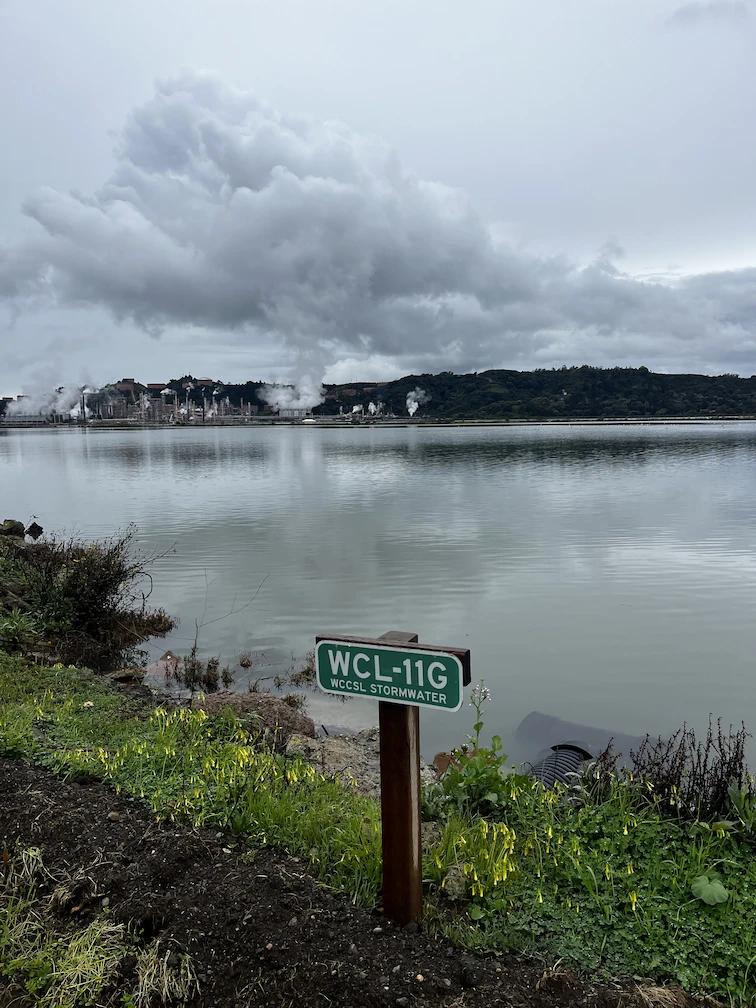
Opened in 1953, the West Contra Costa Sanitary Landfill (WCCSL) was built on marshland along San Pablo Bay. Today, it is surrounded by water and crossed by the Bay Trail — a public path used daily for recreation. The landfill is owned and operated by entities that are wholly owned subsidiaries of Republic Services, Inc., the second-largest waste disposal company in the United States.
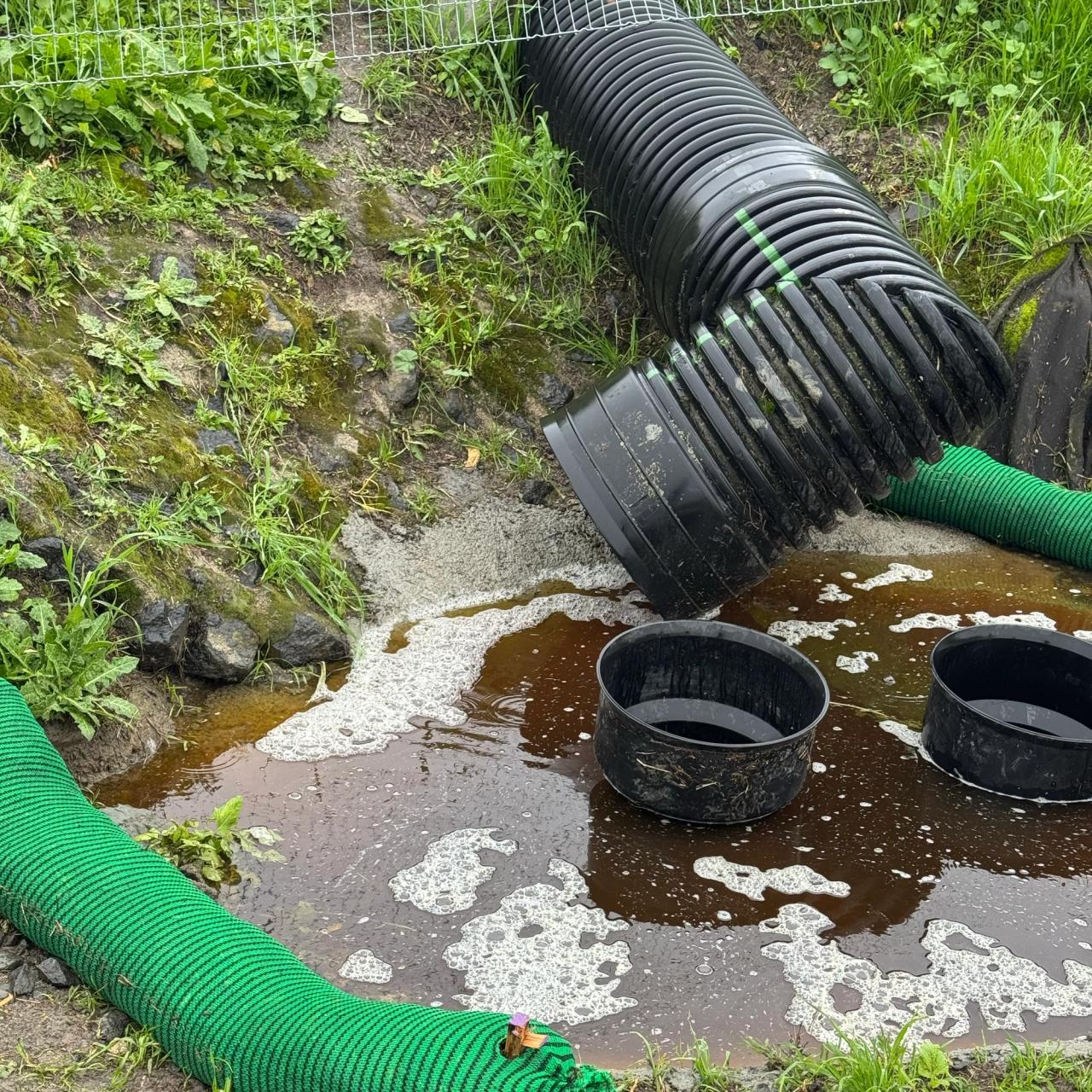
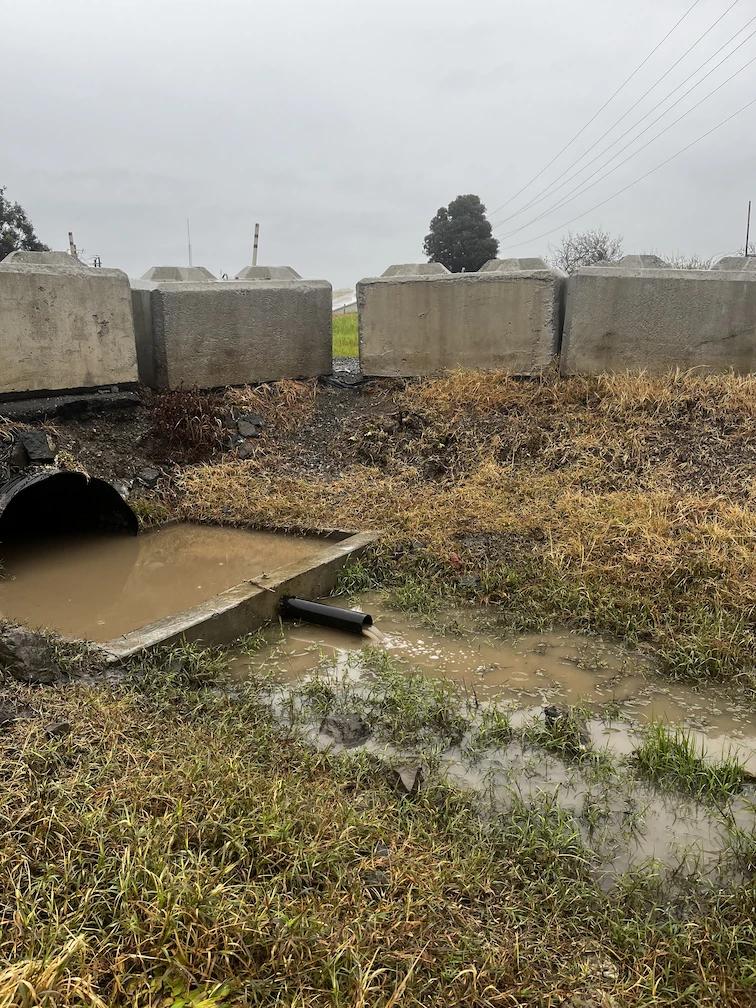
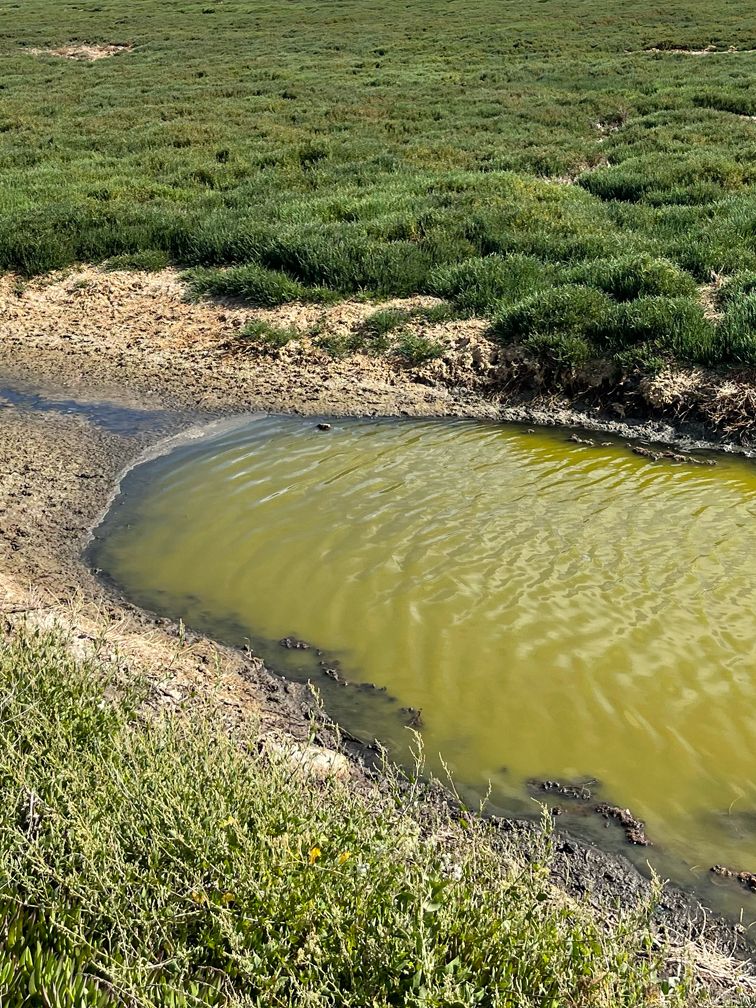
Sampling indicated that the landfill was discharging contaminated liquids — including leachate and stormwater — into nearby Bay waters. These releases contained toxic and carcinogenic compounds. Long-term exposure to many of these chemicals has been linked to respiratory illness, organ damage, and increased cancer risk.
Despite documented contamination, Republic Services had studied these problems for years yet had failed to implement sufficient measures to stop these discharges. The company had relied largely on continued study and incremental responses, rather than fully addressing the source of the pollution.
“People around this country should care about this case precisely because we have 10,000 closed landfills across the country, and Republic Services own 125 of [them].”
Partner, Aqua Terra Aeris (ATA) Law Group and Co-Counsel for CSPA
≥17
YEARS DISCHARGING
Unlawful discharges have allegedly been occurring every day since at least May 2, 2020.
30+
HAZARDOUS POLLUTANTS
Testing detected chemicals including PFAS, arsenic, cyanide, and industrial solvents linked to cancer and other health risks.
+17X
SAFETY LIMITS
Monitoring data found 1,4-dioxane levels more than 17x higher than EPA safety limits.
Funded Action
The California Sportfishing Protection Alliance (CSPA) filed suit under the Resource Conservation and Recovery Act (RCRA) and the Clean Water Act (CWA), alleging ongoing violations at the West Contra Costa Sanitary Landfill.
To pursue this enforcement action effectively, CSPA required funds to retain independent experts who could evaluate site conditions, analyze sampling and monitoring data, advise on settlement strategy, and provide expert testimony throughout the litigation.
The Bigger Picture


Realized Outcomes
The case resulted in a settlement requiring significant improvements to the landfill's pollution-control systems, including new wells and upgraded infrastructure to help prevent contaminated liquids from escaping into surrounding waters. The agreement also establishes stronger water-quality monitoring, ongoing oversight, and $520,000 for environmental restoration and pollution-prevention projects benefiting San Francisco Bay and surrounding communities.
The settlement also includes an important accountability safeguard: if the landfill fails to meet its groundwater containment requirements, CSPA retains the right to pursue further legal action.The lawsuit seeks to require the landfill's owners — including Republic Services, Inc. — to address and eliminate the pollution affecting surrounding groundwater and bay waters, and to protect both the environment and human health.
CSPA and its experts believe that meaningfully addressing the leachate releases at WCCSL will require significant investment, including increased pumping and treatment of leachate and/or repairs to the landfill cap. In addition, Republic will need to investigate and identify the sources of stormwater contamination on site and either eliminate those sources or implement appropriate treatment or retention measures.
CSPA’s preference is to resolve these issues through a settlement that achieves these goals. If that is not possible, CSPA will seek a strong court order requiring comprehensive corrective action.