Fighting for the Right To Know About Heavy Metals in Products
What WeEat

Pay-It-Forward Grant
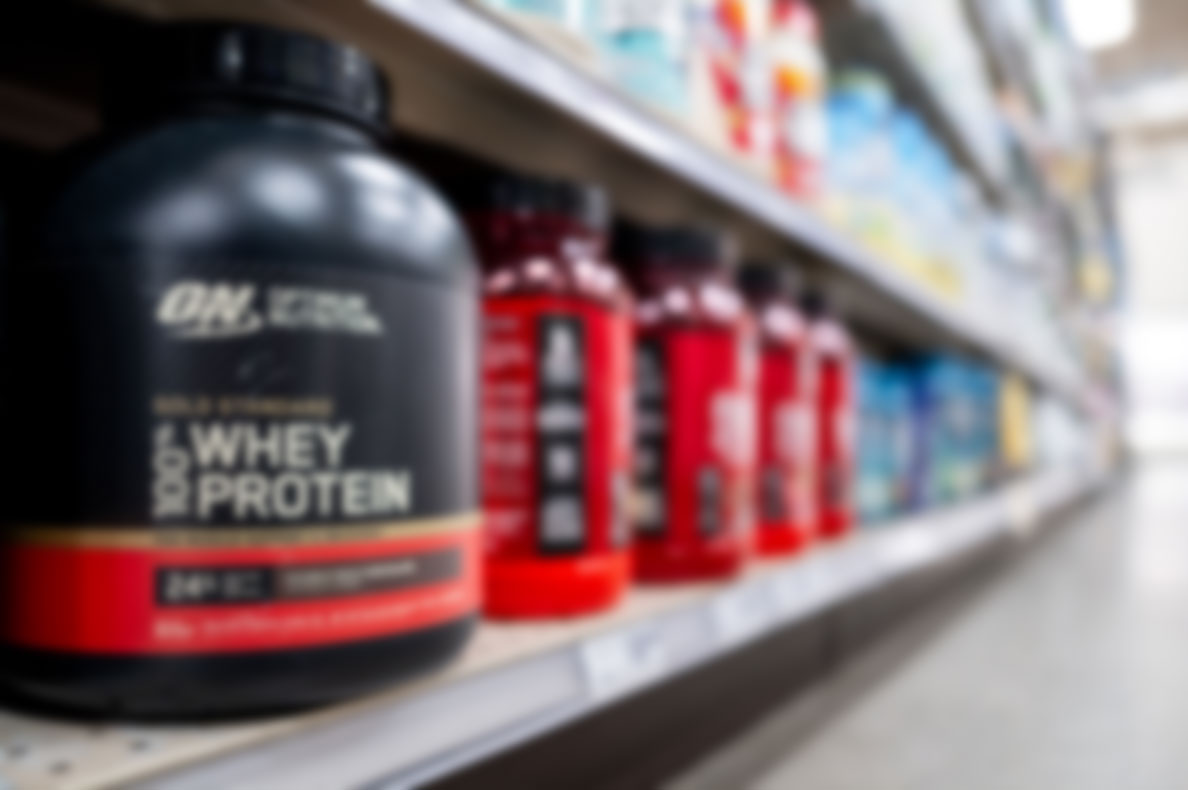
WHEN is suing Glanbia Nutritionals Inc. under Proposition 65 to advocate for the public's right-to-know about the alleged levels of heavy metals in some of the Glanbia products.
Overview


Drivers of Outrage
California voters passed Proposition 65 in 1986 by an overwhelming margin. The law offers a basic protection: most companies doing business in California must warn Californian consumers before knowingly exposing them to established levels of chemicals known to cause cancer, birth defects, or other reproductive harm. In 2025, independent heavy-metals testing commissioned by WHEN identified lead in certain…

900+chemicals
Listed on California Office of Environmental Health Hazard Assessment's Proposition 65 List
California OEHHA

0.5micrograms per day
Allowable level of oral lead consumption
California OEHHA

63%Of manufacturers
Reported that Proposition 65-triggered reformulations influence the composition of their products sold outside California
J. Ohayon, et al; How a Right-to-Know Law Shifts Industry away from Chemicals of Concern: The Case of California’s Proposition 65; 2025
900+chemicals
Listed on California Office of Environmental Health Hazard Assessment's Proposition 65 List
California OEHHA
0.5micrograms per day
Allowable level of oral lead consumption
California OEHHA
63%Of manufacturers
Reported that Proposition 65-triggered reformulations influence the composition of their products sold outside California
J. Ohayon, et al; How a Right-to-Know Law Shifts Industry away from Chemicals of Concern: The Case of California’s Proposition 65; 2025
Funding the Action
WHEN will use the funds raised through the campaign to litigate the case against Glanbia in order to promote consumers' right to know about the extent of potentially harmful chemicals in their products. We anticipate using the funds to support legal counsel and expert witnesses. WHEN opted not to settle because of two common practices in Proposition 65 lawsuits that can substantially reduce consumer protection. Proposition 65 regulations allow companies to exclude certain amounts of Proposition 65-listed chemicals in food from their exposure calculations when they can show that the chemical is “naturally occurring.” In practice, a company may argue that lead absorbed from soil should be discounted even though consumers ingest it all the same. WHEN is standing up against companies who use the naturally occurring defense, and especially those that are improperly applying it or trying to extend it from one product to the next without proving that no human intervention was the cause of the chemical exposure. A person’s body does not distinguish between lead introduced during manufacturing and lead taken up from contaminated soil. Treating one as effectively invisible can deprive consumers of information the law was enacted to provide and reduce manufacturers’ incentives to source cleaner ingredients, improve manufacturing processes, or reformulate their products. Using the naturally occurring defense, Glanbia secured consent judgments for several of their product lines, allowing them a higher lead allowance than the Safe Harbor established by OEHHA. In other words, many of their products are on the shelves with no warning becasue they are permitted an extra allowance of lead; something the everyday consumer would not be aware of. The Optimum Nutrition judgment arose from a case brought by a different nonprofit, while the Amazing Grass judgment concerned different products. Those distinctions matter: neither negotiated judgment should automatically determine the outcome of litigation involving different claims, parties, or products. Worse yet, companies should not get special permission to expose in perpetuity more levels of chemicals than what Prop 65 allows. The problem extends beyond Glanbia. Consent judgments can allow privately negotiated resolutions from earlier cases to constrain future enforcement, even when the later dispute differs in material ways. That risks turning settlements that were never fully litigated into lasting barriers to accountability. Consumers should not lose the protections of Proposition 65 because of negotiations in prior matters to which they were not parties, and everyday people deserve to know what is in the products they consume, whether the contaminants were introduced during manufacturing or absorbed from the soil.

Potential Outcomes
Success in the lawsuits would result in Glanbia either reformulating its products to reduce their alleged lead and cadmium content and/or to provide the appropriate Proposition 65 warning label on the products alerting consumers to the presence of heavy metals above the Proposition 65 Safe Harbor.

The Bigger Picture
Timeline

WHEN Justice
WHEN is a media-forward crowdfunding platform for impact litigation. A registered 501(c)(3), we partner with values-aligned organizations to run campaigns that hold accountable those who put profit over people and planet. Through strategic storytelling, we expose harm and show how the law can address it. We then turn awareness into action, uniting concerned citizens to fund campaigns. By leveraging capital…