Removing Toxic Lead Cables from Lake Tahoe

Six miles of abandoned telecom cables lay on the floor of Lake Tahoe, slowly leaching toxic lead into the vital drinking water source. When local advocates sued AT&T for removal and the company backed out of its own cleanup agreement, WHEN's founder funded the scientific testing that helped secure a settlement.
Overview
We're all connected to water in one way or another, so why not help conserve that for future generations?”
Drivers of Outrage
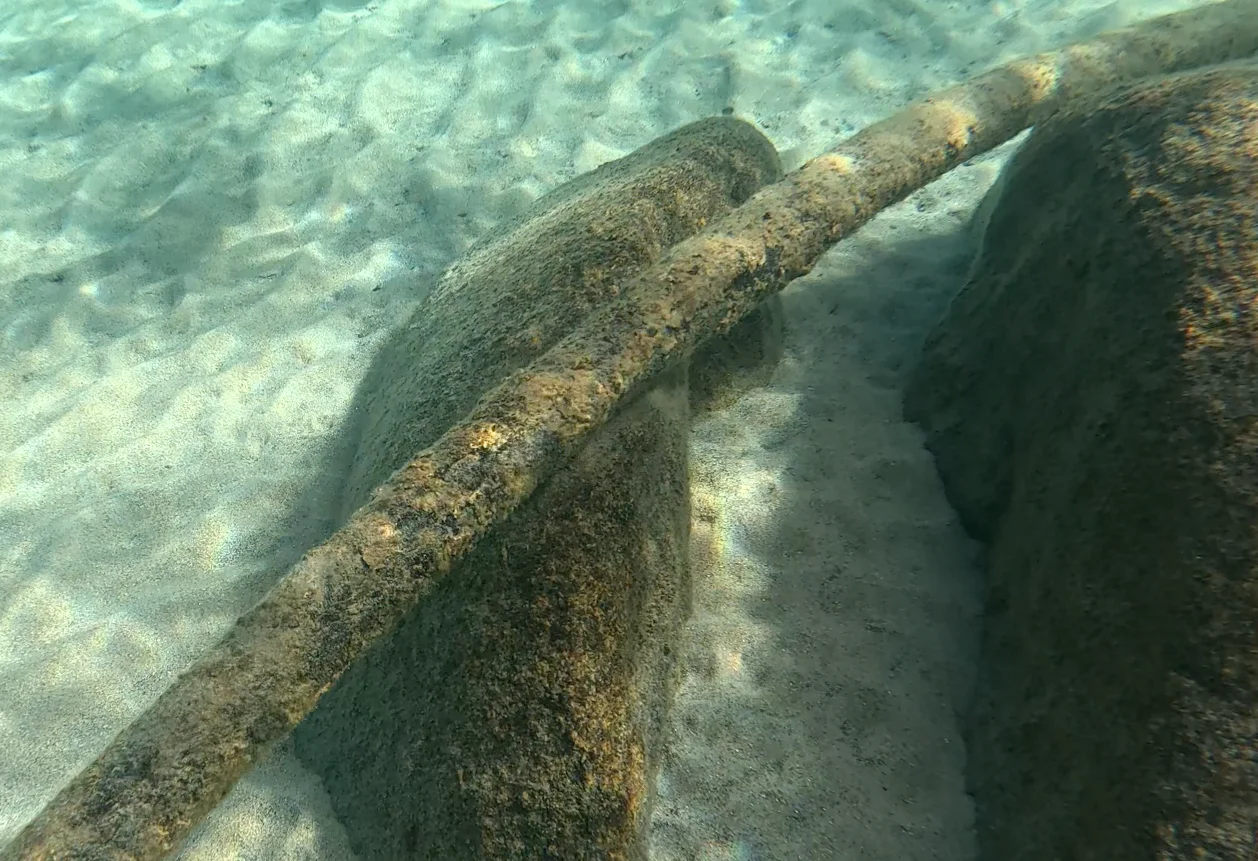
Between the 1920s and 1950s, Pacific Bell (now AT&T) installed lead-sheathed telecommunications cables across portions of Lake Tahoe. As technology advanced, the cables were abandoned, leaving approximately six miles of cable containing an estimated 107,000 pounds of lead submerged in Emerald Bay and along the western shore. The California Sportfishing Protection Alliance (CSPA) found that degrading cable…

The length of these cables spanned from Baldwin Beach to Rubicon Bay, across the mouth of Emerald Bay, and through two California State Parks.

The EPA's own health goal for lead in drinking water is zero — because there is no safe level of exposure.
AT&T estimates it has nearly 200,000 miles of lead-covered cable across America — under rivers, in soil, and on poles overhead.
The length of these cables spanned from Baldwin Beach to Rubicon Bay, across the mouth of Emerald Bay, and through two California State Parks.
The EPA's own health goal for lead in drinking water is zero — because there is no safe level of exposure.
AT&T estimates it has nearly 200,000 miles of lead-covered cable across America — under rivers, in soil, and on poles overhead.
Funded Action
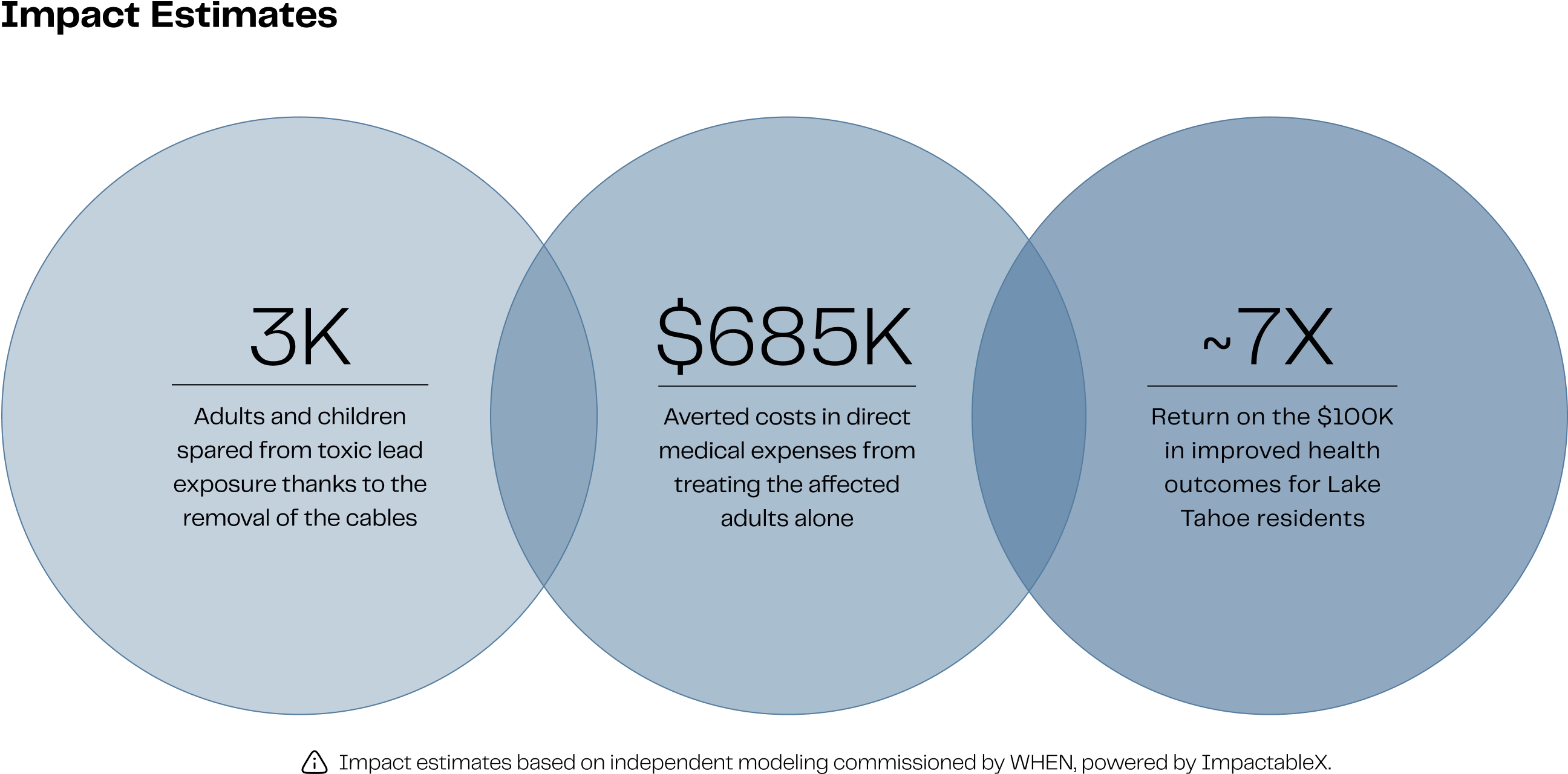
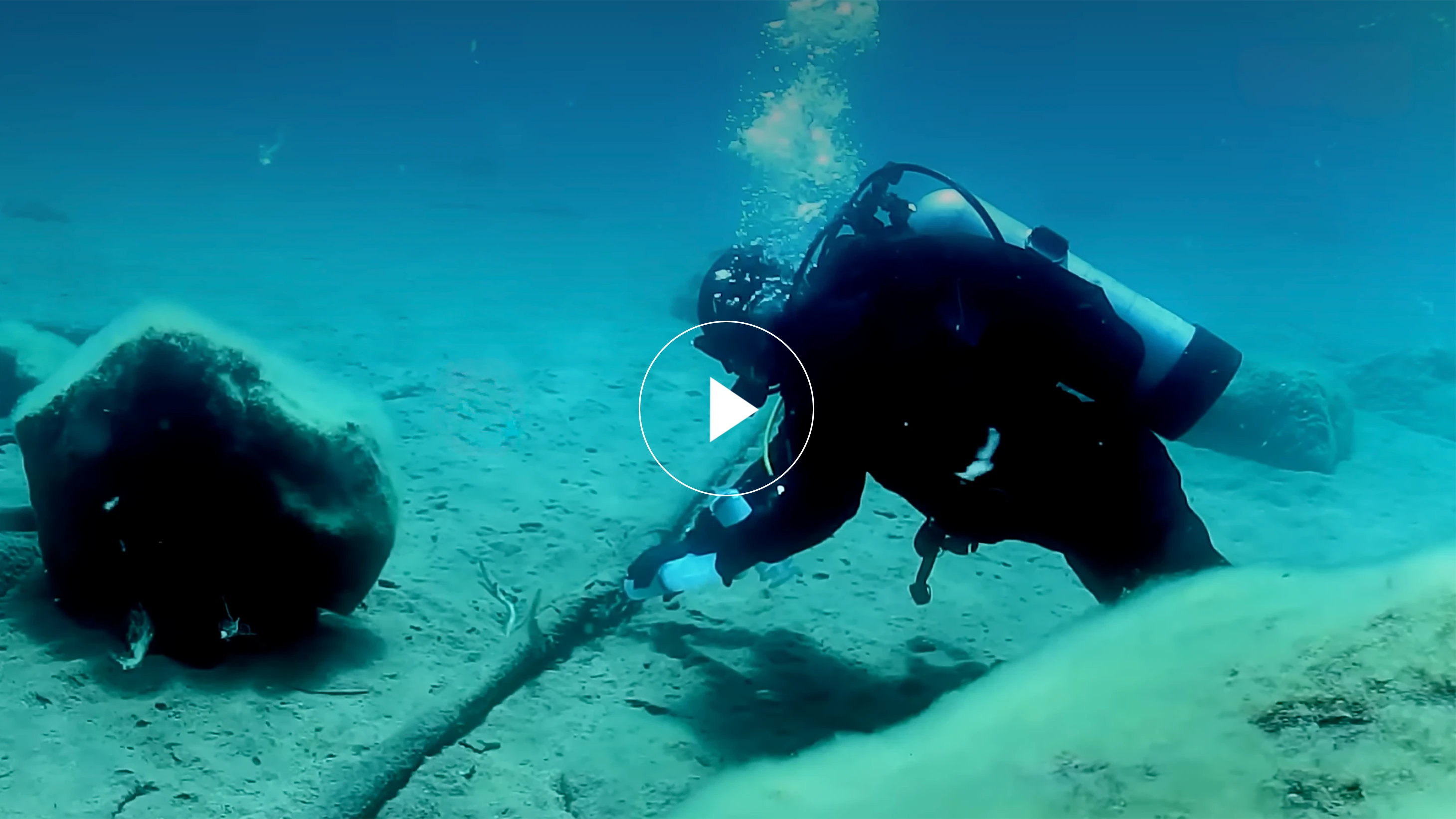
CSPA needed rigorous, site-specific environmental testing to prove lead from the cables was measurably present in surrounding biofilm, sediment, and water — but underwater sampling is specialized and expensive. Without independent data, the case risked stalling. In 2024, WHEN founder Roland Peralta provided a $100,000 Pay-It-Forward Grant to fund diver-led biofilm and sediment sampling and laboratory analysis. Testing found lead concentrations in biofilm on the cables up to 67,000 times higher than background levels, confirming active leaching into the aquatic environment.

Realized Outcomes
Thanks in part to the testing results, AT&T agreed to a settlement in September 2024 requiring full removal of the cables. By November of that same year, heavy equipment had been mobilized and the cables extracted from the lakebed. But the Lake Tahoe settlement is more than a legal victory: it’s an act of environmental protection, a human health intervention, and a demonstration that accountability is…